Roof flashing should be a quiet hero. It guards seams, corners, and penetrations where water wants to sneak in. In Rockwall, harsh sun, sudden cold fronts, and wind-driven rain punish those weak points. A small split at flashing can send water under shingles or membranes and into the deck. That turns into stained ceilings, mold, and damaged insulation. The fix starts with a clear diagnosis and a methodical repair, not guesswork.
This article breaks down why flashing fails in Rockwall and nearby North Texas cities, how a professional team fixes it, and when replacement beats patchwork. It also shows where a roofing contractor in Grand Prairie fits if a property owner manages multiple sites across Dallas and Tarrant counties. The priorities are simple: keep water out, preserve the roof system warranty, and stop repeat leaks.
What flashing actually does on a roof
Flashing is a formed metal or membrane that bridges roof transitions. It seals where materials change direction or type. Typical locations include roof-to-wall intersections, valleys, around chimneys, skylights, pipe penetrations, step and counter flashing at sidewalls, and at HVAC curbs on commercial systems. On flat roofs, flashing secures the membrane at parapet walls, scuppers, coping caps, and equipment curbs. It must move with the building, shed water, and resist heat and UV. If it fails, the rest of the roof pays the price.
Why flashing fails so often in Rockwall
Rockwall sees frequent temperature swings. A mild morning can turn hot by midday and cool again after a storm rolls through Lake Ray Hubbard. Materials expand and contract at different rates. Metal moves one way, masonry another, and roof membranes another. That motion stresses flashing seams and fasteners. Then wind and hail finish the job.
- Thermal movement cracks sealant at step flashing and counter flashing. Over time, water slips behind the metal and rots the sheathing along sidewalls. UV exposure dries out asphalt mastics and cheap caulks. The bead looks intact from the ladder but crumbles to the touch. It no longer seals the lap. Hail bruises and bends exposed flashing. Even a small dent can lift an edge and break adhesion. Hail also punctures membranes at corners where flashing transitions are tight. Wind drives rain sideways. At chimneys and parapets, water finds gaps in loose counter flashing or under coping caps. Poor original workmanship sets the stage. Common mistakes include too-short end laps, nails through vertical flashing faces, and lack of termination bars on single-ply membranes. Debris piles up. Leaves and granules trap water against base flashing and scuppers. Constant moisture speeds corrosion and backs water into seams.
Across commercial roofs in Grand Prairie, the same forces push and pull at HVAC curbs, skylight curbs, and parapet walls. Ponding water around these details raises moisture levels and accelerates membrane and flashing failure.
How to spot flashing failure early
Roof leaks show up far from the actual opening. Water can travel along the deck or down a wall cavity. A quick inspection after storms helps catch issues before they spread. From the ground, look for swollen fascia, streaking below gutters, or stained siding near sidewalls. Inside, ceiling spots near exterior walls or under skylights point to flashing.
On the roof, problem signs include rust stains on metal, lifting edges, missing sealant beads, cracked mastic, soft wood at sidewalls, and membrane wrinkles at inside and outside corners. On flat roofs, check for loose coping caps, open laps at base flashing, blistering near parapets, and blocked scuppers or drains.
A professional inspection adds tools. Infrared thermal cameras detect subsurface moisture in insulation (ISO board) without cutting. Moisture mapping shows where water has migrated from a small opening at flashing. That saves time and avoids random tear-offs.
Residential vs. commercial flashing issues
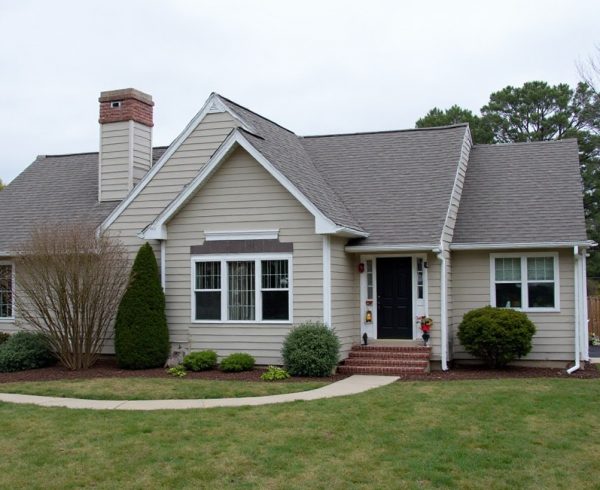
In Rockwall neighborhoods with steep-slope roofs, sidewall step flashing, headwall flashing, chimney cricket flashing, and skylight kits drive most leak calls. Granule loss at shingles near flashing may hint at heat and UV damage around metal that runs hot in summer.
In Grand Prairie and the greater DFW industrial corridor, commercial roofs use TPO, PVC, or EPDM membranes. Flashing is formed with membrane, metal, or a mix at parapet walls, coping caps, scuppers, HVAC curbs, and penetrations. Failures show up at:
- Heat-welded seams with missed welds or cold welds that open under stress. Shrinkage at EPDM pulling away from term bars and base flashing. Poor curb details around large commercial HVAC units and roof-mounted exhaust fans. Bad transitions at solar panel standoffs and conduit penetrations.
A facility in the Great Southwest Industrial Park roofer Grand Prairie TX faces heavy wind and frequent hail. Those events test every flashing corner. In those cases, the fix must address both the detail and the surrounding roof membrane.
The right way to repair failed flashing
The best repair method depends on the roof type, the age of the system, and the scope of water damage. A strong repair follows manufacturer standards so the roof stays eligible for warranties.
- Asphalt shingle roofs: Remove enough shingles to expose the step flashing. Replace rusted or undersized step pieces with new, properly lapped metal. Install new headwall or counter flashing cut into the mortar joint on masonry, not simply surface applied. Use compatible sealants sparingly. A clean metal-to-masonry reglet with a tight drip edge outperforms a heavy bead of caulk every time. Metal roofs: Replace deformed sidewall flashing and rework closure strips at ribs. Use butyl tape and rivets at overlaps. Add new foam closures where missing. At ridge and endwalls, reset panels for proper drainage and install new counter flashings with correct fastener spacing. Single-ply roofs (TPO, PVC, EPDM): Re-weld open seams at base flashing. For TPO and PVC, clean and heat-weld new membrane patches with rounded corners at suspect areas. Install termination bars and cover strips where missing. Reinforce inside and outside corners with pre-formed corners. Replace loose coping caps and add new cleats and splice plates. At HVAC curbs, install reinforced curb flashing, secure with plates, and heat-weld continuous flashings to the field membrane. Tie scuppers and downspouts back into the system with new metal liners and welded flanges.
Where moisture has saturated insulation, remove wet ISO board and replace with dry material of the same thickness. Trapped water rots decks and raises energy costs. On older roofs with widespread flashing failures, a silicone restoration over sound, dry substrate can lock the system back down and shed UV. That approach can add 10 to 20 years when done to spec with a full prep.
How weather events speed up flashing damage
A typical North Texas cycle drives most repeat leaks. Hail hits in spring. Crews patch torn corners. Summer heat bakes sealants and accelerates UV degradation. Early fall storms bring wind-driven rain that tests lifted edges. Winter cold fronts trigger thermal shock; materials contract and pull laps open. By spring, the same area leaks again.
The cure is to correct the detail, not just the symptom. That means better laps, better terminations, and reinforcement at movement points. On commercial roofs, that can include walkway pads to spread foot traffic around flashing and prevent punctures. On steep-slope homes, proper kickout flashing at the base of sidewalls prevents water from diving behind stucco or siding at eaves, a frequent miss during quick repairs.
When to repair and when to replace
A repair is smart if the failure is isolated and the surrounding materials are sound. For example, a single skylight curb with cracked mastic but no deck rot can be resealed and reflashed to standard. A full replacement makes sense when:
- Most flashings are the same age and show similar wear. Infrared scanning shows widespread wet insulation around parapets and curbs. The roof is near the end of its service life and leaks repeat after each storm. The roof has mixed materials from many past patches, making warranty coverage unlikely.
On commercial buildings, a silicone or acrylic coating system can restore a stable roof when the membrane is mostly intact, flashings are rebuilt, and ponding water is addressed. Gaco silicone is common for high-UV areas because it resists chalking and can carry 15 to 20-year NDL warranties when installed to thickness and tied to a manufacturer program.
Practical upgrades that prevent flashing failures
Small upgrades add years to the roof’s life. Install reinforced HVAC curbs with continuous backing plates. Replace loose coping caps with cleated, mechanically fastened caps that lock in high winds. Add pre-formed corners at all inside and outside parapet transitions. Use termination bars and cover strips at membrane upturns. At steep-slope roofs, cut counter flashing into masonry and install kickout flashing at every down-slope end of a sidewall. Keep scuppers clear and size them to drain water fast. Where ponding water lingers, build crickets or add tapered ISO to push water to drains.
Insurance, documentation, and faster decisions
After hail or wind events, a clear record helps owners move claims forward. Drone roof inspections capture imagery from all angles. Infrared thermal cameras identify hidden moisture under ISO board. Photo logs at each flashing location prove the cause and the repair scope. A roofing contractor in Grand Prairie with large-loss experience can coordinate with adjusters and engineers. That team can justify code upgrades, such as new coping caps and curb height increases, where required by current standards.
In facilities near EpicCentral, the Great Southwest Industrial Park, and the Grand Prairie Municipal Airport, quick mobilization is vital. A fast-temporary dry-in at flashing points can prevent downtime inside the plant or distribution center. Once dry, the permanent repairs follow a documented plan.
Local notes: Grand Prairie and Rockwall share the same risks
Rockwall homeowners see hail and wind move across the lake with little warning. Commercial managers in Grand Prairie watch the same storm cells roll over Joe Pool Lake and through the logistics corridors near 75050 and 75052. Both markets deal with UV, thermal shock, and high-velocity wind. Flashing is the first detail to fail under those conditions. Crews that work daily on both sides of the Metroplex understand how to secure step flashing at a Mira Lagos duplex and how to rebuild TPO base flashing at a warehouse in SODO.
Materials and brands that hold up
For steep-slope homes, GAF and Owens Corning shingles pair well with formed step and counter flashing. On flat and low-slope systems, Carlisle SynTec TPO and PVC offer strong welds and reliable accessories like pre-formed corners and curb wraps. Firestone (Holcim), Mule-Hide, and Johns Manville systems also perform well when installed to spec. For restoration, Gaco silicone coatings resist UV and stand up to ponding water in many cases. On complex details or premium projects, Sika Sarnafil and Kemper System products provide durable flashing options at walls and curbs where expert roofing contractor Grand Prairie chemical resistance or unique shape matters.
Choosing compatible sealants, primers, and fasteners matters as much as the brand label. A mismatched sealant can look fine for a month, then peel away in heat. Fastener pullout is another silent failure; long screws into soft or rotted substrates will not hold coping caps in a wind gust.
Common mistakes that keep leaks alive
A leak that returns after every storm usually ties back to a recurring mistake. On shingles, surface-applied L flashing without counter flashing lets water run behind. On membranes, a lack of reinforcement at inside corners is the culprit. At parapets, loose coping caps that were never cleated will lift in gusts. At scuppers, no welded flange means water creeps behind the metal.
The antidote is a detail-driven checklist and trained installers. Repairs should match the manufacturer’s detail drawings. Crews must clean surfaces properly before welding or sealing. Laps need the right pressure and heat. Corners need reinforcement. No shortcuts.
Service insight for multi-property owners
Owners who manage retail and industrial properties across Grand Prairie, Irving, and Rockwall need clear priorities. Fix active leaks first, starting at flashing and penetrations. Use infrared scans to decide where to open the system. Replace wet insulation immediately to stop hidden mold and energy loss. Document everything with photos and roof plans. Where the roof is young but flashings fail, secure the details and consider a maintenance agreement. Where the roof is old and patched, plan a replacement or silicone restoration with an NDL warranty to stabilize budgets.
Grand Prairie sits at the center of Dallas and Tarrant counties and includes key logistics hubs, including the Great Southwest Industrial Park and corridors around the municipal airport. Those facilities house large HVAC units, solar arrays, and exhaust fans. Each unit adds curb flashing and penetrations that must be reinforced. A commercial team with OSHA-certified crews, drone inspections, and 24/7 dispatch can stop water fast and coordinate a longer-term fix.
Local service signals and how to engage
SCR, Inc. General Contractors serves commercial and multifamily clients throughout Grand Prairie and the DFW Metroplex. The team handles flat roof systems, metal roofing, TPO, PVC, EPDM, and silicone restoration for industrial and retail properties. For residential clients in Rockwall, crews address step flashing, chimney crickets, skylight curbs, and roof-to-wall leaks after hail and high winds.
- For logistics centers in the 75050 zip code and retail corridors in 75052, rapid emergency leak repair reduces downtime. Facilities near EpicCentral and the Great Southwest Industrial Park receive priority response during storm weeks. Multifamily communities in Westchester and Mira Lagos benefit from dedicated crews that standardize sidewall and kickout flashing across buildings.
Certified installers for GAF Master Elite systems and Carlisle SynTec membranes support strong NDL warranties. High-UV sites can qualify for Gaco silicone restoration with 20-year NDL coverage when prep and thickness meet spec. The company is a licensed general contractor with BBB A+ rating, OSHA-certified crews, and extensive experience managing large-loss insurance projects in DFW.
Schedule a comprehensive, drone-assisted roof inspection to document hail damage, map moisture with infrared thermal cameras, and determine if reinforced curbs, coping caps, and new base flashing can resolve the leaks. If a restoration or replacement is warranted, the team will present options with clear scopes and timelines. For recurring flashing leaks in Rockwall homes or complex commercial roofs across Grand Prairie, the goal is the same: stop water intrusion at the source and keep it from returning.
Quick homeowner checklist for flashing trouble
- Look after big storms: check ceilings near exterior walls and around skylights for spots. Walk the perimeter: scan for rust streaks, lifted metal, or stains below gutters and sidewalls. Clear debris: keep valleys, gutters, and scuppers free of leaves so water does not back up. Photograph and call early: small cracks grow fast in North Texas weather.
The bottom line
Most roof leaks start at flashing. Rockwall’s weather punishes those details, and patching over gaps without correcting the root cause is a short break before the next storm. Proper repairs rebuild the detail to manufacturer standards, reinforce movement points, and restore watertight laps. On commercial properties in Grand Prairie, that includes installing reinforced HVAC curbs, securing coping caps, and welding new base flashing with pre-formed corners. With strong diagnostics, including drones and infrared, owners can choose the right fix and extend the life of the entire roof system.
Property managers and owners who need a roofing contractor in Grand Prairie can contact SCR, Inc. General Contractors for a professional roof assessment. The team mobilizes 24/7, documents damage for insurance, and delivers repairs and restorations built to last through North Texas hail, wind, and sun.
SCR, Inc. General Contractors provides roofing, remodeling, and insurance recovery services in Grand Prairie, TX. As a family-owned company, we handle wind and hail restoration, residential and commercial roofing, and complete construction projects. Since 1998, our team has helped thousands of property owners recover from storm damage and rebuild with reliable quality. Our background in insurance claims gives clients accurate estimates and clear communication throughout the process. Contact SCR for a free inspection or quote today.
SCR, Inc. General Contractors
440 Silver Spur Trail
Rockwall,
TX
75032,
USA
Phone: (972) 839-6834
Website: https://scr247.com/, Storm damage roof repair
Map: View on Google Maps
Social Media: Yahoo Local